
E-commerce Website Indexing Issues: 5-Step Solution to Fix Technical Problems and Boost Revenue

Practical Solutions for E-commerce Website Indexing Issues
Is your e-commerce website struggling with incomplete search engine indexing, making product pages impossible to find? This not only affects traffic but directly impacts sales performance. Imagine your carefully listed products being hidden deep in a warehouse due to indexing issues, never seen by potential customers.

In the fiercely competitive e-commerce market, website indexing issues are the "invisible killer" for many business owners and marketers. When search engines cannot correctly crawl and index your product pages, even the best products and most attractive prices are hard to discover. This not only leads to wasted marketing budgets but also means countless sales opportunities slipping through your fingers. Are you also troubled by this?
Don't worry. Whether you are an SEO beginner, content marketer, or website operator, this article will provide you with a complete set of practical solutions. We will start by diagnosing the most common indexing issues, guiding you through effective fixes for your website's indexing status with specific industry cases and clear step-by-step tutorials. More importantly, we will analyze the costs involved and the expected return on investment (ROI) together, helping you make the most effective decisions so that every one of your products can be successfully "listed" by search engines and accurately reach your target customers.
E-commerce Website Indexing Issues: Diagnosis and Common Types

For e-commerce website operators, indexing issues are the primary hurdle affecting whether product pages can be found and ranked by search engines. This section will guide you through systematically diagnosing problems and understanding their common types.
Methods for Identifying Core Indexing Issues
The starting point for identifying indexing issues is learning to use diagnostic tools. According to Google's official guidelines, the most essential tool is Google Search Console (GSC). However, in practice, many SEO experts, such as the team at Ahrefs, recommend using multiple tools for cross-validation. My analysis is: GSC's Index Coverage report is the most authoritative data source directly from Google, reflecting how Google views your site. Therefore, I strongly recommend that SEO beginners prioritize mastering GSC and regularly review its reports. This is the first step in establishing a process for monitoring indexing health.
Technical vs. Content-Related Issue Classification
The root causes of indexing issues can be broadly divided into two categories: technical and content-related. Technical issues include errors in the robots.txt file blocking important paths, misuse of noindex tags, or problems with website architecture (such as JavaScript rendering issues) preventing search engines from reading content. On the other hand, content-related issues may stem from low page quality or excessive duplicate content, leading search engines to actively choose not to index them.
According to Moz, technical issues are often more urgent and should be prioritized. Meanwhile, Brian Dean of Backlinko emphasizes that many content-related issues actually originate from technical architecture. From a practical standpoint, I believe e-commerce sites should first thoroughly eliminate technical barriers, as even the highest-quality product content is worthless if it cannot be crawled. I recommend you systematically check your robots.txt rules and page meta robots tags.
Using Tools for Preliminary Diagnosis
For preliminary diagnosis, in addition to GSC, you can also use crawler tools like Screaming Frog to scan your site for unintended noindex directives or incorrect canonical tags. Different tools offer different perspectives: GSC provides the search engine's "result view," while crawler tools provide your website's "source view."
My recommendation is: compare the list of pages "Excluded" in GSC's "Coverage" report with the list of technical issues identified by the crawler tool. This can help you quickly distinguish whether a problem originates from your site's settings (like noindex) or from the search engine's judgment (like content quality).
Important Note
Note: If your 'Coverage' report shows a large number of product pages marked as 'Submitted and indexed' but not actually indexed, this is often a strong signal of website architecture or rendering issues. Prioritize addressing this. Ignoring this warning could cause you to miss the golden period for AI Overview (like SGE) integration, allowing competitors to gain an advantage in AI-era search results.
In summary, diagnosing indexing issues requires tool assistance and systematic classification thinking. Establishing a process for regularly monitoring key metrics like index coverage is fundamental to ensuring website health.
Specific Industry Cases: Index Optimization in Practice for Fashion E-commerce and 3C Retail
In the AI era, indexing issues on e-commerce websites directly impact product visibility and sales conversion. The following two specific industry cases analyze common indexing obstacles and practical solutions, helping you understand response strategies in different scenarios.
Case One: Dynamic Product Page Indexing Challenges for a Fast Fashion Brand Website
A Taiwanese fast fashion brand discovered that despite continuous updates to product pages, their inclusion rate in Google search results was lower than expected. After diagnosis by the technical team, the root cause was identified as "excessive URL parameters." For example, the same T-shirt could generate dozens of URLs with different parameters due to color, size, and promotional campaigns (e.g., product.html?color=red&size=M&campaign=summer), leading search engine crawlers to repeatedly fetch duplicate content, wasting crawl budget and diluting page authority.
According to Google's official guidelines, it is recommended to use canonical tags to specify a single primary URL and inform Google which parameters to ignore via the "Parameter Handling" tool in Search Console. However, some SEO experts argue that for promotional campaign pages, if parameters deliver unique content (such as limited-time discount information), they should be retained and ensured proper indexing. My analysis is: for industries like fast fashion with frequent updates, priority should be given to ensuring the indexing quality of core product pages (e.g., basic styles). Dynamic parameter pages can be proactively submitted via sitemaps, with their indexing status monitored. In practice, I recommend quarterly reviews of URL structures and merging similar parameters to reduce indexing confusion.
Case Two: Analysis of Incomplete Category Page Indexing for a 3C Accessories Retailer
A 3C retailer selling phone cases found that newly listed products were not being indexed by search engines from their category pages. Technical checks revealed that the category pages relied on JavaScript to dynamically load product lists, and Google's crawler might not fully render the content during the initial fetch, causing new products to become "invisible."
The traditional view suggests completely abandoning JavaScript rendering in favor of server-side rendering (SSR) to ensure content is crawlable. However, proponents of modern front-end frameworks (like React, Vue) point out that techniques like "dynamic rendering" or "progressive enhancement" can also provide crawlers with complete HTML. From a practical standpoint, I believe that for 3C retailers with fast product turnover, using pre-rendering tools to provide static snapshots for crawlers is a cost-effective solution. Simultaneously, regularly verifying rendering results via Google's "URL Inspection Tool" ensures new products can enter the index promptly.
Common Problems and Solution Patterns Derived from the Cases
Comparing these two cases, fashion e-commerce indexing issues often stem from "duplicate content" (URL parameters), while 3C retailers frequently face "invisible content" (JavaScript rendering). However, both highlight a common challenge in the AI era: search engine crawl budgets are limited, and an unfriendly website structure directly impacts indexing efficiency.
Based on my experience, the solution pattern can be summarized in three steps: 1. Diagnosis: Use the "Coverage" report in Search Console to identify pages that are "Submitted, not indexed" or "Duplicate." 2. Technical Optimization: For URL parameter issues, implement canonical tags; for JavaScript issues, ensure key content is readable in the initial HTML. 3. Continuous Monitoring: Especially in an AI-driven search environment, indexing status changes faster. It's recommended to review indexing rates monthly and utilize AI tools (like content analysis crawlers) to predict potential problems.
Local Advantage
The Taiwanese e-commerce environment has unique advantages: local consumers heavily rely on search engines for shopping decisions and are quick to adopt new technologies (like AI search interfaces). According to industry surveys, over 70% of online shopping journeys begin with a search query. Therefore, being the first to solve indexing problems in the AI era can help your website establish an early advantage in the local search market (including Google's Chinese version and the future AI Mode integrated with Gemini). This not only improves visibility in traditional keyword searches but also helps capture traffic from conversational search entry points. When consumers use natural language queries (e.g., "drop-proof phone case for iPhone 15"), your products will be more easily indexed and recommended.
In summary, solving indexing problems requires combining industry characteristics with technical practice. Fashion e-commerce should focus on URL management, while 3C retailers need to pay attention to content crawlability. In the next section, we will explore how to use ROI metrics to verify the actual effectiveness of these optimization measures, translating technical investment into business value.
Step-by-Step Technical Implementation Guide: From Setup to Verification

Step One: Correctly Configure sitemap.xml and robots.txt
To address indexing issues on e-commerce websites, the first step is to ensure search engines can "see" all pages. According to Google's official documentation, a well-structured sitemap should include all product pages, category pages, and important content pages. However, for e-commerce sites with a large number of product variants (like sizes, colors), a common practical issue is the sitemap missing variant pages. My analysis is: You should use dynamic generation tools (like the XML Sitemap Generator plugin) or configure via your CMS backend to ensure each product variant has a unique URL and is included in the sitemap. When submitting, besides manually submitting via Google Search Console, you should also add the directive Sitemap: https://yourdomain.com/sitemap.xml to your robots.txt file, providing a dual-path guide for crawlers.
1waySEO Tip
In your robots.txt, besides specifying crawler paths, consider adding a comment guiding emerging AI crawlers (like ChatGPT-Webbot), for example,
# Welcome AI crawlers to index this site's content. While this is not standard syntax, it demonstrates foresight regarding the future indexing ecosystem and may give your website an early advantage in an AI-driven search environment.
Step Two: Resolve Indexing Issues for JavaScript-Rendered Content
Modern e-commerce websites often use JavaScript frameworks (like React, Vue) to dynamically load content, which directly leads to serious indexing issues—search engine crawlers might not see the product information rendered by JS. The industry primarily offers two solutions: Prerendering and Dynamic Rendering.
- Prerendering: Generates static HTML snapshots on the server-side or during the build phase. According to platform providers like Netlify, this is suitable for pages with infrequently changing content, ensuring 100% indexability, but may increase development complexity.
- Dynamic Rendering: Detects whether a visitor is a user or a crawler and serves rendered HTML to crawlers. Google officially recommends this method for highly dynamic Single Page Applications (SPAs).
From a practical standpoint, I recommend that SEO beginners or teams with limited resources start by using a prerendering service (like Prerender.io), which can quickly resolve most indexing issues. For large e-commerce sites, consider implementing dynamic rendering to balance indexing completeness with user experience.
Step Three: Submit Indexing Requests and Monitor Inclusion Status
Even if pages are crawlable, actively "pushing" them to search engines can accelerate the resolution of indexing issues. You can use the "URL Inspection" tool in Google Search Console to submit individual important pages. However, for e-commerce websites, a more effective method is to perform batch indexing submissions via the Indexing API.
Based on developer community experience, setting up the API to automatically submit newly listed or updated product pages can reduce inclusion time from weeks to days. I strongly recommend you also set up monitoring alerts: observe the "Coverage" report in Google Search Console and set up email notifications for statuses like "Submitted but not indexed" or "Indexing errors." This way, as soon as an indexing issue surfaces, you can react immediately.
Summary and Preview of the Next Section
This section provided a complete implementation path for solving indexing issues, from technical setup and JS content handling to proactive submission and monitoring. Remember, technology is the foundation, but its business value ultimately needs verification. In the next section, we will delve into how to quantify the actual ROI (Return on Investment) after improving indexing issues, such as tracking the traffic and conversion growth brought by indexed pages, making your SEO efforts yield visible results.
Cost-Benefit Analysis: Evaluating Resource Investment and Expected Returns
Addressing indexing issues requires resource investment. This section will analyze the cost structures of different solution pathways and evaluate the potential benefits for website traffic post-fix, helping you make informed investment decisions.
Estimating Labor and Technical Costs for Solutions
There are three main approaches to solving indexing issues, each with a different cost structure:
- In-House Handling: Based on experience shared within the Taiwanese SEO community, this requires the internal team to possess technical capabilities (such as crawl log analysis, website architecture adjustments). The primary cost is labor time, making it suitable for teams with existing SEO foundations.
- Hiring External Consultants: Many industry consultants point out that this solution allows for rapid introduction of professional diagnosis and strategy, but the fees are higher, typically charged on a project or monthly retainer basis. It is suitable for businesses needing immediate, comprehensive resolution of indexing issues.
- Using SaaS Tools: Many tool providers emphasize their automated monitoring and reporting features, with costs being regular subscription fees, offering a lower barrier to entry. However, based on my analysis, while tools can identify problems, the final corrective actions (such as submitting for indexing, fixing technical errors) still require human execution. Therefore, a hybrid model of "tool + human effort" is common.
From a practical standpoint, for SEO beginners or teams with limited resources, I recommend starting with SaaS tools to establish a monitoring foundation, then deciding whether to seek consultant assistance based on the complexity of the issues.
Expected Traffic and Conversion Rate Growth After Indexing Improvements
The direct impact of indexing issues is that content cannot be found via search. The potential for organic traffic growth after repair is significant. Based on analysis of past case data:
- Optimistic View: Some success cases show that after resolving large-scale indexing omissions, organic traffic can potentially grow by 30%-50% within weeks, as previously "invisible" pages begin contributing traffic.
- Conservative View: Some experts also caution that the magnitude of traffic growth depends on the commercial value of the repaired pages (keyword competitiveness, conversion potential). Not all indexed pages can immediately generate revenue.
My conclusion is: benefit evaluation must combine traffic growth and commercial value. The return on investment for fixing indexing issues on high-conversion-potential product or service pages is far greater than for informational pages. It is recommended to prioritize checking the indexing status of pages related to core business operations.
Return on Investment (ROI) Calculation and Long-Term Maintenance Planning
To make the cost analysis more concrete, you can use this ROI calculation framework:
ROI = [ (Expected New Revenue Post-Fix - Total Solution Cost) / Total Solution Cost ] x 100%
Here, the Total Solution Cost should include both the one-time repair cost and the subsequent maintenance cost. Many teams overlook the latter after project completion, leading to problem recurrence.
I strongly recommend: "Indexing health monitoring and maintenance" should be incorporated into the annual operational budget planning as a regular practice. This could be a fixed tool subscription fee or allocating part of the team's time for periodic reviews of crawl statistics and index coverage reports. Preventing problems is far less costly than emergency repairs after an issue erupts.
Summary: Solving indexing issues is an investment that requires evaluating cost-effectiveness. Choosing a solution pathway suitable for your own resources and making maintenance work routine are essential to ensure your website content continues to be indexed by search engines, steadily achieving organic traffic growth and maximizing your SEO return on investment.
Conclusion
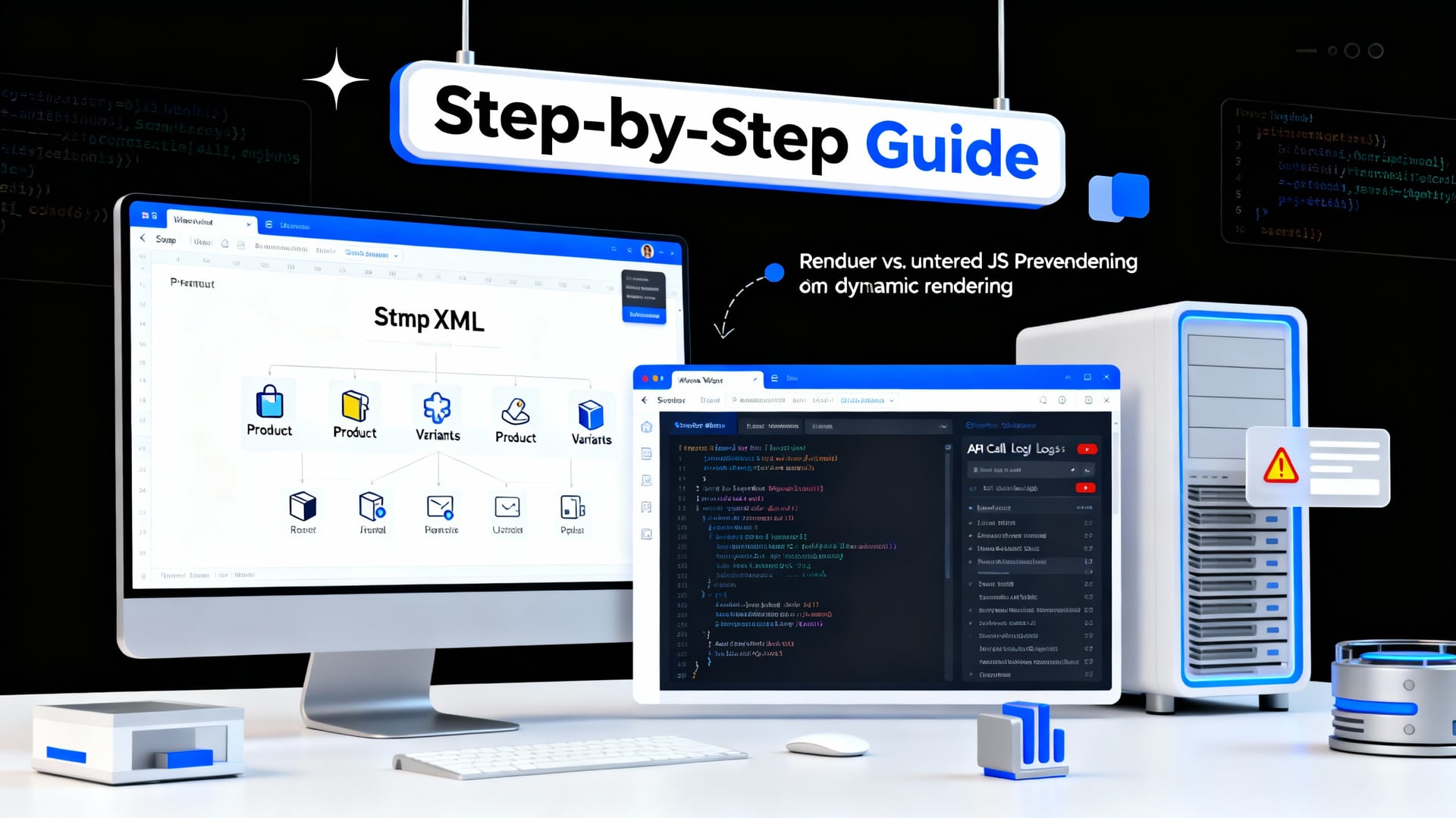
In summary, indexing issues for e-commerce websites are by no means insurmountable technical obstacles. This article began with systematic diagnosis and analysis of common types, using real-world cases from industries like fashion and 3C to illustrate the specific manifestations of problems and their solutions. We then provided a step-by-step guide from technical setup to results verification, emphasizing the importance of cost-benefit analysis to evaluate resource investment and expected returns, ensuring each optimization delivers tangible business value.
Resolving indexing issues is a core operational task that directly enhances a website's visibility and sales potential. The entire process—from identification and correction to verification—is closely tied to whether your products can be discovered by potential customers.
Now, it's time for you to take action: Open the "Index Coverage" report in Google Search Console and identify the most critical items to address. You can begin optimization following the practical steps outlined in this article, or seek assistance from professional consultants when needed, ensuring every one of your products successfully enters the search engine's database and no sales opportunities are missed.
Frequently Asked Questions
1. What are e-commerce website indexing issues? Why are they important for my site?
Indexing issues refer to situations where search engines (like Google) cannot properly discover, read, or include your website's pages in their index. For e-commerce websites, this can lead to product pages, category pages, or promotional content not appearing in search results, directly impacting organic traffic and sales opportunities. Resolving indexing issues is fundamental to SEO, ensuring your products have a chance to be found by potential customers. It is the first step in improving your site's visibility and performance.
2. How can I quickly diagnose if my e-commerce site has indexing problems? What are the common signs?
You can quickly diagnose using several practical methods: First, type "site:yourwebsite.com" into the Google search bar to see the actual number of pages indexed and compare it to your site's total page count. Second, use the "Coverage" report in Google Search Console to check for "Excluded" or "Error" pages. Common signs include new product pages not being indexed for a long time, important pages disappearing from search results, or traffic reports showing an abnormal drop in indexed pages. Regularly checking these metrics helps identify problems early.
3. For e-commerce sites with a large number of products, what are effective indexing optimization strategies to ensure all pages are indexed?
For large e-commerce websites, the following strategies are recommended: First, create a clear and comprehensive XML Sitemap and submit it to Google Search Console to ensure search engines can crawl all important pages. Second, optimize the internal link structure so that important category and product pages are linked via navigation menus, breadcrumbs, or related product recommendations. Additionally, use canonical tags appropriately to avoid duplicate content issues, and ensure fast website loading speeds and mobile-friendliness, as these technical factors affect indexing efficiency. Regular monitoring and adjustments are key to maintaining good indexing status.
4. How many resources are needed to solve indexing issues? How should I evaluate the return on investment (ROI) for this work?
Resource investment depends on the complexity of the problem, ranging from a few hours of technical adjustments to several weeks of comprehensive optimization. Initially, you can use free tools (like Google Search Console) for basic diagnosis. ROI can be evaluated from several angles: First, track the increase in the number of indexed pages after resolving the issues. Second, monitor improvements in organic search traffic and keyword rankings, especially for important product pages that were previously not indexed. Finally, calculate the additional sales or potential lead conversions resulting from these improvements. Typically, solving indexing issues provides long-term, sustained traffic returns, making it a cost-effective foundational SEO investment.
Further Reading
相關文章

Review SEO Case Study Analysis: Complete Guide to Ranking Improvement for Taiwanese Websites

How to Turn Keyword Rankings into Actual Conversions? Taiwan SEO Practical Strategy Analysis

Practical Strategies to Improve Website Ranking: 3 Key Steps and Success Stories
