
Practical Strategies to Improve Website Ranking: 3 Key Steps and Success Stories

Practical Strategies and Success Stories for Improving Website Rankings
Imagine this: when potential customers type keywords into a search engine, your website consistently appears on the first page. How many business opportunities would this bring to your company? This vision is the ultimate goal countless website owners and marketers strive for—improving website ranking.

In Taiwan's fiercely competitive digital market, search engine rankings directly determine your online visibility and traffic quality. However, have you ever felt confused: despite investing time and resources into SEO, your rankings never seem to improve? This is often due to the lack of a clear, actionable, systematic strategy. Many beginners and content marketers struggle to integrate effective practices in an environment of fragmented information, leading to poor results.
Don't worry, this article is written precisely to address your pain points. We will move beyond vague theories and get straight to the core. Next, you will discover a set of four core strategies derived from real-world experience in the Taiwanese market, including specific operational steps and real case studies. Whether you are new to SEO or a website owner seeking a breakthrough, you will gain systematic guidance to gradually push your website ranking from zero to the top.
Let's begin this practical journey to improve your website ranking.
Strategy 1: Keyword Research and Content Optimization
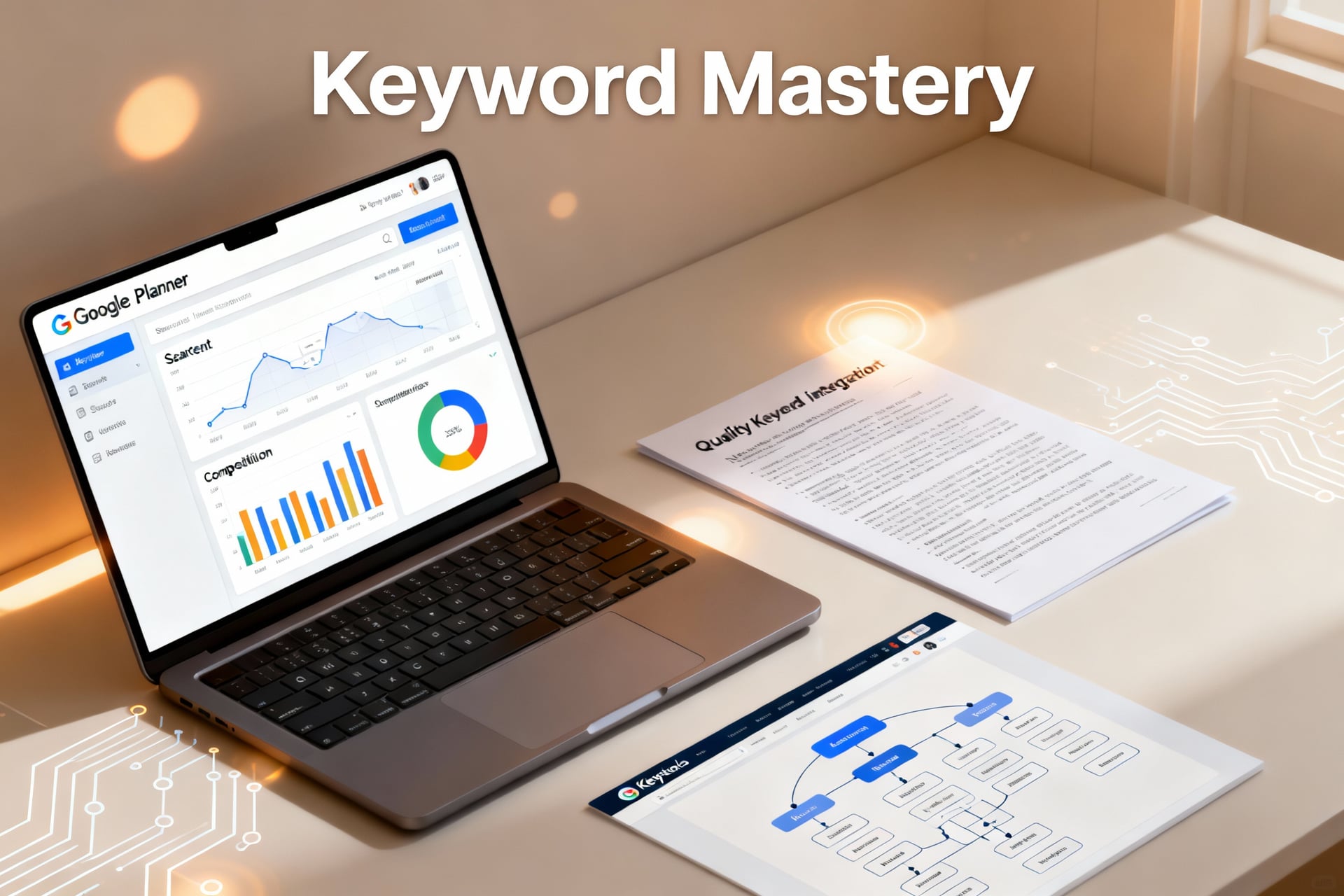
The first step to improving your website's ranking is to ensure your content can be correctly understood by search engines and matches user intent. This starts with fundamental keyword research and content optimization.
Precisely Target Keywords
According to Google's official guidelines, the core of keyword research lies in understanding "search intent." However, in practice, there are two mainstream perspectives: one emphasizes search volume and competition analysis, recommending tools like Google Keyword Planner to find high-traffic keywords; the other argues for prioritizing keywords with clear "commercial intent," as they may have higher conversion rates even with lower search volume.
My analysis is that for SEO beginners, it's best to start with "long-tail keywords" that have clear search intent and medium-to-low competition. For example, instead of targeting the highly competitive core term "website ranking," it's better to first plan content around more specific questions like "how to improve new website ranking" or "WordPress website ranking tips." This can help you gain initial traffic and rankings more effectively.
Content Structure and Semantic Optimization
Writing high-quality content is the cornerstone of website ranking. The industry widely agrees that content must solve users' real problems. However, methods differ: traditional SEO emphasizes keyword density and exact match, while the modern view (especially Google's E-E-A-T guidelines) places greater importance on content expertise, authoritativeness, and trustworthiness, with keywords naturally integrated rather than awkwardly stuffed.
From a practical standpoint, I recommend the latter approach. When writing, aim to provide a complete answer and naturally integrate primary keywords and related terms into the title, subheadings, and the first 100 words of the content. Simultaneously, ensure the content structure is clear (using H1, H2, H3 tags), which helps search engines understand the content's context, thereby improving the ranking of relevant pages.
Local Advantage
When conducting keyword research and content optimization for the Taiwan market, there is a significant local advantage. Taiwanese users have very strong search intent for local livelihood and policy issues (e.g., "普發一萬登記" once surged to the top of search rankings), and the use of Chinese semantics is nuanced, with many regional linguistic differences. Therefore, leveraging local news, PTT, Dcard, and other community discussions to discover long-tail keywords, and localizing content (e.g., using "方案" instead of "套餐," citing Taiwanese brands as examples) can significantly enhance the content's relatability and local relevance, which is crucial for competing in Taiwan's search rankings.
Internal Linking Strategy
Regarding the impact of internal linking on website ranking, the views are relatively consistent: it is primarily used to pass page authority and help search engine crawlers. However, in terms of strategy execution, some advocate for building a dense network of many links; others believe links should be streamlined, pointing only to the most important core pages (like service introductions, product pages).
Based on experience, I recommend the latter, especially for beginners. Instead of linking aimlessly, establish a clear website architecture (silo structure) and strategically link from high-authority pages (like blog posts) to important commercial pages (like service pages) using anchor text. This can effectively direct "ranking power" to the target pages you wish to rank higher, a key technique for improving overall website ranking efficiency.
In summary, keyword research, high-quality content, and internal linking are interconnected foundational tasks for website ranking. Precise keywords guide content direction, quality content attracts links and engagement, and smart internal linking strengthens the ranking power of important pages.
Strategy 2: Technical SEO and Website Performance
Technical SEO is the foundational work for improving website rankings. It ensures search engines can smoothly crawl, understand, and index your website's content. According to Google's official guidelines, a technically sound foundation is a prerequisite for content to rank well. However, many SEO beginners often focus excessively on content and backlinks, overlooking the importance of this underlying architecture. My analysis is: without a solid technical foundation, even the highest-quality content will struggle to stand out in website ranking competition. Therefore, I strongly recommend you prioritize the following three core aspects.
Website Speed Optimization
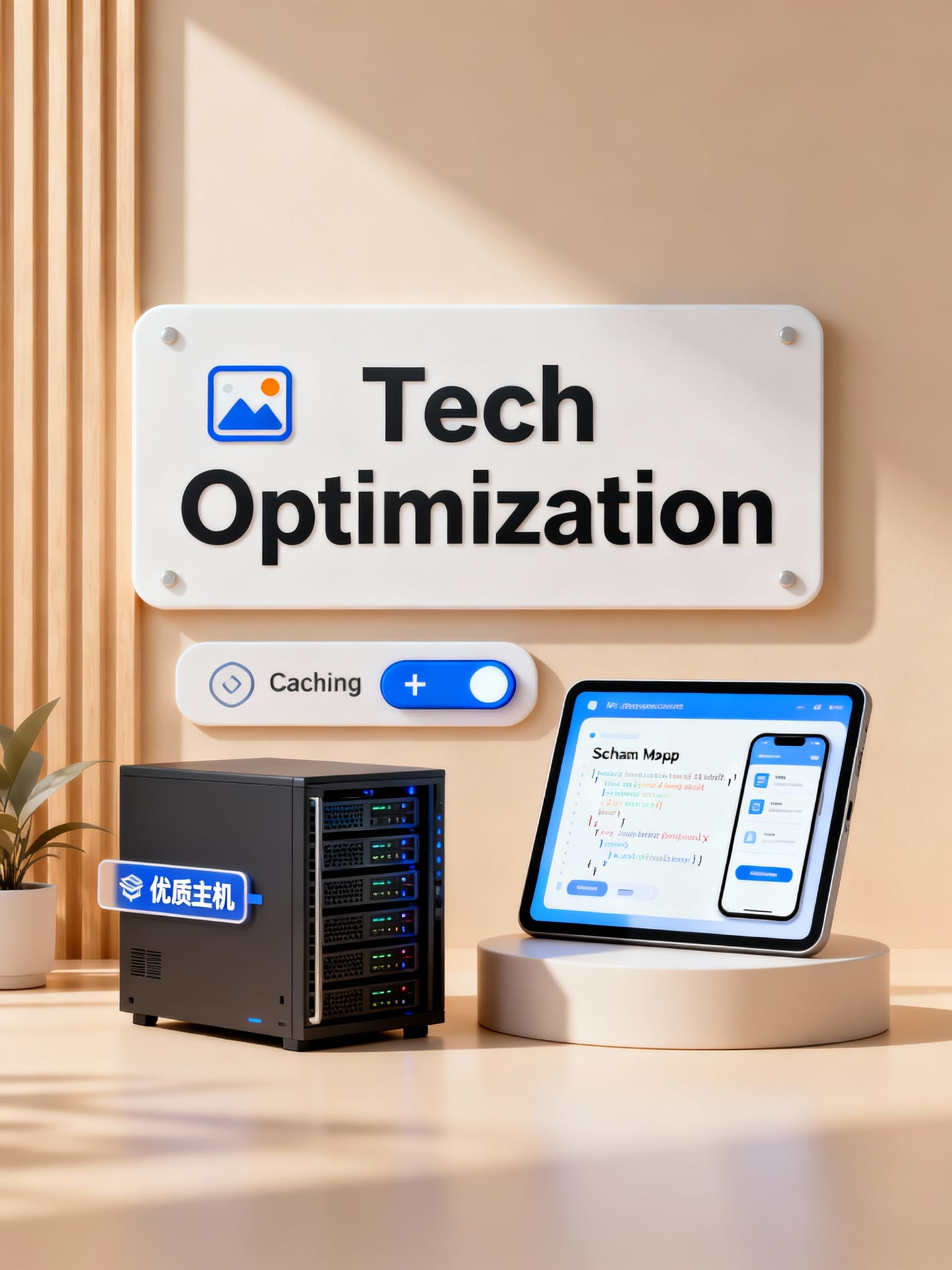
Website loading speed is a critical factor affecting website rankings and user experience. Google's Core Web Vitals explicitly include speed as a ranking signal. In practice, improving website speed primarily involves several approaches:
- Compress Images: According to data from the image service provider Cloudinary, properly compressing images can reduce file size by up to 70%, significantly improving loading efficiency.
- Enable Caching: Allow visitors' browsers to cache static resources, reducing requests for repeated downloads.
- Choose Quality Hosting: The server location and performance of your hosting provider directly impact response time. For the Taiwan market, choosing a quality host located locally or in the Asia-Pacific region is a wise move.
1waySEO Tip
Quick Tip: Mobile device usage among Taiwanese users is extremely high, and the local telecommunications environment is diverse. When testing website speed, be sure to check loading speed and display on different telecom networks (Chunghwa, Taiwan Mobile, FarEasTone) and devices (iOS/Android) to ensure a smooth experience for all users.
Mobile-Friendliness
With Google's implementation of mobile-first indexing, the experience of a website on mobile phones and tablets has become a decisive factor for website rankings. A report from SimilarWeb indicates that mobile traffic in Taiwan accounts for over 70%. Therefore, ensuring your website uses responsive design to provide a smooth browsing experience on all screen sizes is a necessary strategy for improving website rankings. From a practical standpoint, I recommend you regularly use Google's "Mobile-Friendly Test" tool for checks.
Structured Data Markup
Structured data (such as Schema markup) is a language for "telling a story" to search engines. It helps Google more accurately understand the type of content on your page (e.g., article, product, event), thereby increasing the chance of your content being indexed correctly and having a higher probability of obtaining eye-catching "rich snippets" in search results. While adding Schema markup does not directly equate to a ranking boost, based on my experience, it can significantly increase click-through rates (CTR), and CTR is an important indirect signal Google uses to assess page value and adjust website rankings.
In summary, technical SEO is the invisible force behind website rankings. Optimizing website speed, ensuring a mobile-first experience, and effectively utilizing structured data can build a solid ranking foundation for your website. Next, we will explore how to further solidify these technical advantages through high-quality content.
Strategy 3: Building High-Quality Backlinks
Among the many factors that improve website ranking, high-quality backlinks are considered a key indicator of authority. They are like votes of confidence from other websites for your content, significantly boosting your site's credibility and ranking potential in the eyes of search engines. This section will delve into how to systematically build valuable links.
Link Building Channel Analysis
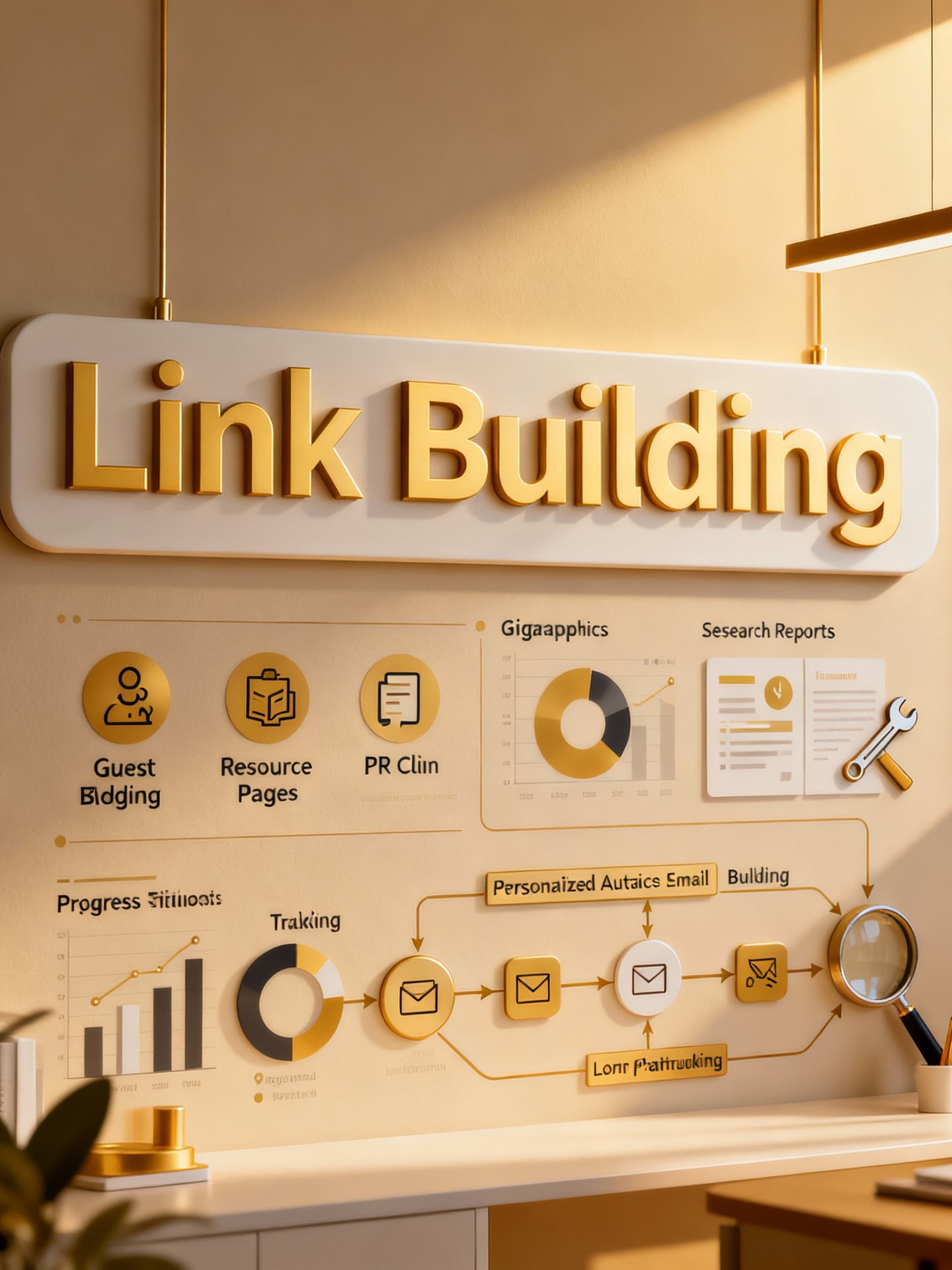
Effective link building requires a multi-channel approach. Based on practical experience from the Taiwanese SEO community, the main channels can be categorized into three types:
- Content Collaboration Channel: For example, writing guest blog posts. This allows you to gain exposure on authoritative websites in related fields and earn natural links from those sites.
- Resource Complement Channel: Target "resource pages" within your industry. Many websites compile lists of useful tools or guides. If your content (such as research reports, tools) is valuable enough, you have a chance to be included and earn a link.
- Public Relations and Promotion Channel: Attract media coverage by publishing original data, industry white papers, or hosting online events, thereby earning high-quality links from news websites.
However, different experts have varying opinions on channel prioritization. One school of thought believes resources should be concentrated on guest blogging to quickly build a foundational link profile; another advocates prioritizing investment in creating "linkable assets" that naturally attract links, which offers higher long-term benefits. My analysis is: For SEO beginners, starting with the lower-barrier guest posts can help accumulate experience; for website operators with more resources, a dual-track approach is recommended, simultaneously planning for asset creation and active outreach.
Creating Linkable Assets
"Linkable assets" refer to content that naturally attracts links from other websites due to its unique value. In the Taiwanese market, common successful formats include:
- In-depth Research Reports: Conducting surveys on local industries (such as the development of AI for SEO writing) and publishing insightful data.
- Practical Tools or Calculators: Small tools that solve specific pain points, such as a "Title SEO Optimization Score Checker Tool".
- High-Quality Infographics: Visualizing complex website ranking knowledge, making it easy to share and cite.
From a practical standpoint, I recommend you prioritize creating content that fills gaps in market information. For example, instead of producing yet another general guide on "website ranking tutorials," create a "2024 Taiwan E-commerce Website Core Web Vitals Metrics Survey Report." The latter is more likely to become a source cited by industry professionals.
Outreach Collaboration Steps
Once you have assets, you need to actively seek link opportunities through outreach marketing. An effective process is as follows:
- Research and Screening: Find target websites with relevant content themes and a history of including external resources.
- Craft Personalized Outreach Emails: Absolutely avoid mass-sending generic emails. Briefly explain why your asset is valuable to their readers and propose a specific collaboration suggestion (e.g., supplementing information in one of their older articles).
- Systematically Track Progress: Use a spreadsheet tool to record contact details, dates, and response status, and send a friendly follow-up at an appropriate time (e.g., one week later).
- Focus on Long-Term Partnerships: Don't view a single link as the end of a transaction. After a successful collaboration, consider whether there are opportunities for more complementary content, transforming a one-time link into a stable partnership.
Important Note
Please be mindful of the risks: Black-hat tactics like buying links or participating in link farms will also face severe penalties from Google's algorithms in the Taiwanese market, leading to a sharp decline in website ranking. Focus on the legitimate methods mentioned above: creating valuable content to naturally attract links, or obtaining them through collaborations like guest posts and resource complementing. Recent algorithm updates (such as those in 2024) have become stricter in combating spammy and manipulative links.
Summary: Building high-quality backlinks is a marathon, not a sprint. It requires you to consistently produce valuable content assets and conduct outreach marketing in a sincere, mutually beneficial manner. Avoiding shortcuts and focusing on providing real value is the most robust long-term strategy for improving website ranking.
Strategy 4: Data Monitoring and Continuous Optimization
In the process of improving website rankings, data monitoring and continuous optimization are key to ensuring the effectiveness of strategies and maintaining results long-term. Many SEO experts believe this is a phase transitioning from "execution" to "management." Based on my analysis, successful website ranking optimizers often invest at least 30% of their time in data analysis and strategy adjustments.
Key Metric Tracking
Regarding the tracking of key metrics, the industry primarily holds two perspectives. The first emphasizes using Google Search Console (GSC) to monitor core ranking data, such as keyword ranking positions, impressions, and click-through rate (CTR). Proponents of this view believe the search performance data provided by GSC is the most direct and authoritative. However, another perspective advocates combining Google Analytics (GA) to interpret the quality of ranking traffic from a user behavior standpoint (e.g., dwell time, bounce rate). My recommendation is: beginners should first grasp the basics of ranking through GSC, and then, after gaining proficiency, incorporate GA data for comprehensive analysis to truly understand whether ranking improvements are bringing valuable traffic.
Competitor Analysis
In competitor analysis, practical approaches also have different focuses. Traditional methods emphasize analyzing competitors' "keyword portfolios" and "external link sources" to uncover keyword opportunities not yet covered or potential link-building targets. However, with the proliferation of AI tools, the modern perspective places greater emphasis on analyzing competitors' "content strategies," such as how they structure headings (H-tags), which content formats they use (e.g., lists, comparison tables, videos), and the frequency of content updates. From a practical standpoint, I believe both aspects are indispensable. Analyzing competitors' links can help you find "external" opportunities, while analyzing their content can inspire directions for "internal" optimization, such as creating more in-depth, user-friendly content formats to surpass competitors.
A/B Testing and Iteration
Finally, regarding A/B testing and iteration, common debates revolve around "what to test" and "when to adjust." Some practitioners advocate prioritizing tests on "Title Tags" and "Meta Descriptions," as these directly impact click-through rates, potentially sending positive ranking signals to Google. Another school of thought argues that testing the content itself (e.g., opening paragraphs, content structure, call-to-action buttons) has a more long-term effect on improving user engagement. Based on my experience, for SEO beginners, I recommend starting with A/B testing of titles and descriptions, as the tool barrier is lower and results are easier to measure. After obtaining initial data, gradually iterate and optimize content formats, forming a continuous cycle of "monitor → test → adjust."
In summary, data monitoring and continuous optimization are the core of transforming one-time efforts into long-term competitiveness. It requires us not only to look at data but also to interpret the meaning behind the data and bravely conduct tests and adjustments.
Summary of this section: By tracking key metrics, analyzing competitor strategies, and conducting A/B testing, we can transform data into concrete optimization actions, allowing the website ranking strategy to continuously evolve.
Conclusion
Improving website rankings is never an overnight success; it's a continuous journey that blends strategy, technology, and data. The four core strategies deconstructed in this article—from laying the foundation with "Keyword Research and Content Optimization," to building a high-quality vessel with "Technical SEO and Website Performance," then gaining authoritative endorsement through "High-Quality Backlink Building," and finally driving decisions with "Data Monitoring and Continuous Optimization"—are all interconnected. They provide a clear blueprint for steadily enhancing your visibility in the Taiwan search market.
Remember, successful SEO begins with action. We recommend you immediately review your own website, start optimizing from any one of these strategies, and set key metrics (such as organic traffic, ranking positions) for tracking. In this era where data reigns supreme, every adjustment should be traceable.
If you need more professional guidance during the implementation process, feel free to contact our SEO consultants for a free initial consultation. Let's work together to transform search visibility into tangible growth momentum.
Frequently Asked Questions
1. As an SEO beginner, where should I start to improve my website's ranking?
We recommend starting with "Keyword Research and Content Optimization," as this is the cornerstone of improving rankings. First, use keyword tools (like Google Keyword Planner) to identify keywords relevant to your business that have search volume and moderate competition. Then, create high-quality, original content around these keywords that solves user problems, and naturally incorporate the keywords into titles, body text, and meta tags. This effectively communicates your website's topic to search engines and is the crucial first step for attracting initial traffic.
2. How much does technical SEO (like site speed, mobile-friendliness) impact rankings?
Technical SEO is critically important; it forms the foundation for whether search engines can successfully crawl, understand, and index your website. Slow loading speeds (especially for mobile users) directly lead to high bounce rates. Google views this as a poor user experience, which consequently affects rankings. Furthermore, ensuring a clear website structure, having a secure HTTPS connection, and correct sitemap.xml and robots.txt settings are all necessary technical conditions for your quality content to be "seen" by search engines and achieve better rankings.
3. For the Taiwan market, what are some specific and effective methods for building high-quality backlinks?
In the Taiwan market, building quality backlinks requires a focus on "relationships" and "value." Specific methods include: 1) Creating in-depth "cornerstone content," such as industry white papers or detailed case studies, to attract other websites to cite you organically. 2) Collaborating with relevant Taiwanese bloggers, industry media, or local businesses, for example by providing expert insights or conducting joint activities. 3) Ensuring your business information (like name, address, phone number) is consistent and accurate in local directories (like Google My Business). Remember, the quality of a link (the authority and relevance of the source website) is far more important than quantity.
4. I've already implemented SEO optimizations. How do I monitor the results and know what to optimize next?
Ongoing data monitoring is the core of SEO success. You should use Google Search Console to monitor your website's impressions, click-through rate, and ranking keywords in search results. Simultaneously, use Google Analytics to analyze the user behavior (like dwell time, conversion rate) driven by this traffic. By regularly reviewing this data, you'll discover which pages are performing well, which keywords have potential, or which technical issues (like 404 errors) need fixing. SEO is a cyclical process: based on data insights, adjust your keyword strategy, content, or technical settings, then monitor again, forming a positive cycle of continuous optimization.
相關文章

Review SEO Case Study Analysis: Complete Guide to Ranking Improvement for Taiwanese Websites

How to Turn Keyword Rankings into Actual Conversions? Taiwan SEO Practical Strategy Analysis

Core Update Case Studies: How Businesses Successfully Adapt and Enhance Commercial Value
