
Practical Tips to Improve Search Rankings: A 3-Step Strategy to Make Your Website Stand Out

Practical Tips for Improving Search Rankings
Have you ever spent a lot of time optimizing your website content, only to find that your search rankings remain stagnant? In Taiwan's highly competitive digital landscape, whether you're a personal blogger, a small business owner, or a content marketer, everyone faces the same dilemma: even with carefully crafted content, why does it never seem to appear on the first page of search results? Mastering the right techniques to improve search rankings has become the absolute key to making your content stand out.
As search engines like Google continuously update and become more intelligent with their algorithms, the old methods of simple keyword stuffing or shortcuts are not only less effective today but can also lead to ranking penalties. Modern search ranking is a comprehensive competition that combines technology, content, and user experience. Many beginners and operators fall into a cycle of blind experimentation due to a lack of a systematic strategy.
Don't worry, that's exactly why this article is prepared for you. We will delve into how to effectively increase your website's visibility in the current search environment through a clear, actionable three-step strategy. This article will share a series of search ranking improvement techniques combined with real-world case studies from Taiwan, covering everything from basic technical audits and core content optimization to establishing a plan for sustainable growth. It will provide you with specific action steps and practical considerations. Whether you're an SEO beginner or a marketer with some experience, you can build a long-term blueprint for ranking growth from this guide.
Technical Optimization: Building a Strong Foundation for Rankings
Website Speed and Mobile-Friendliness
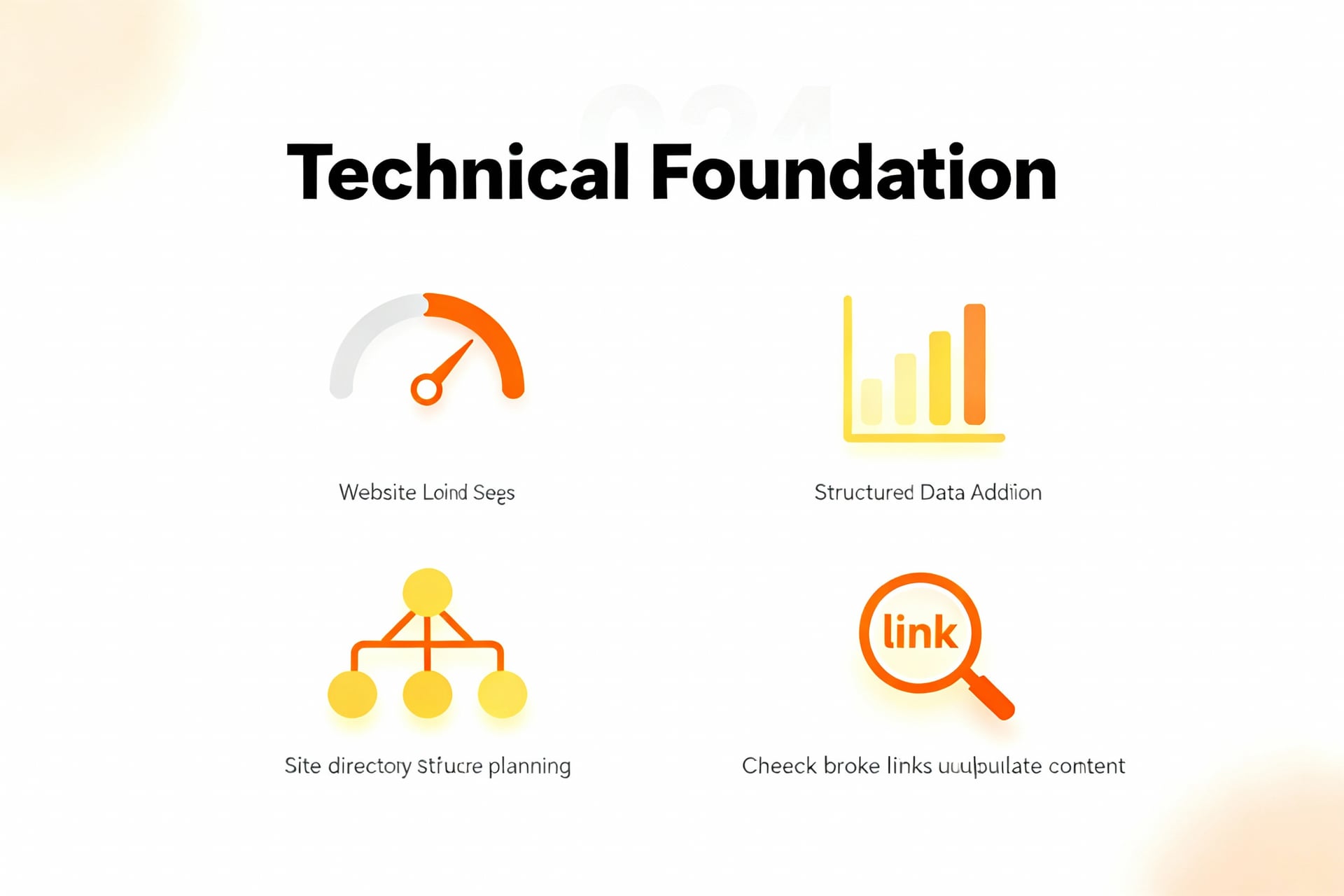
According to Google's official documentation, website speed is one of the core factors affecting search rankings because it directly relates to user experience. However, some senior SEO consultants emphasize that in Taiwan's mobile network environment, mobile-friendliness may carry more weight than pure loading speed metrics. My analysis is that the two are actually two sides of the same coin. For SEO beginners, I recommend first using tools like Google's PageSpeed Insights or Lighthouse for testing, and starting with basic tasks like optimizing images and enabling caching to ensure the mobile site's navigation and buttons are easy to use. From a practical standpoint, a website that loads quickly and is easy to browse on mobile can effectively reduce bounce rates and send positive ranking signals to search engines.
Quick Tip
Pro Tip: Setting 'Taiwan' as the target region in Google Search Console can make your website audit reports more closely reflect the actual experience data of local users. This is particularly helpful for analyzing website speed and mobile-friendliness issues, as it can exclude network latency interference from other regions, allowing you to focus on improving the browsing experience for visitors in Taiwan.
Structured Data Markup Implementation
Regarding structured data, academic literature typically details the various types of Schema.org, while hands-on content marketers focus more on which markups can directly bring "rich snippets" to boost click-through rates. For example, adding markup to an "Article" might make the title and image more prominent in search results, while marking up a "Product" might display price and ratings. I believe that for website operators, the goal should not be to mark up all content, but to choose strategically. I suggest starting with the website's core content types (such as blog posts or key product pages) and using Google's Structured Data Testing Tool for validation. Correct markup helps search engines understand content more precisely, which is widely considered a positive factor for indirectly improving search rankings.
Website Architecture and Internal Linking Strategy
In website architecture planning, there are two main perspectives: one advocates for an extremely simple flat structure for crawler efficiency; the other emphasizes a hierarchical directory designed based on the user journey. My conclusion is that a clear logical structure (e.g., Homepage > Category > Subcategory > Article) is most friendly to both users and search engines. Then, the internal linking strategy is what brings this architecture to life. Instead of linking randomly, it's better to build a meaningful link network, such as linking between related articles or linking from high-authority pages to important but newer content. This can effectively distribute page authority and guide crawlers to discover more content, serving as foundational work for solidifying search rankings. Furthermore, regularly using tools to check and fix broken links and avoid duplicate content is essential for maintaining technical health. Neglecting these details could render previous optimization efforts futile.
In summary, technical optimization is the indispensable foundation for improving search rankings. While it doesn't directly create content, it ensures that quality content can be effectively discovered, understood, and evaluated by search engines.
Content Strategy and Keyword Layout
Search Intent Analysis and Content Planning
According to Google's official guidelines, search intent can be categorized into Navigational, Informational, Transactional, and Commercial Investigation. However, Taiwanese SEO expert Li Mingzhe points out in his book "SEO Practical Handbook" that Taiwanese users' search intent often blends "information" and "solution" needs. For example, users searching for "search ranking tutorial" not only want to acquire knowledge but also expect to get actionable steps they can implement immediately.
My analysis is: simple intent categorization is no longer sufficient. From a practical standpoint, I recommend content planners should deeply analyze the content types appearing on the Search Engine Results Page (SERP). If the top 10 results are mostly "step-by-step tutorial" articles, this strongly suggests the user's search intent is to seek specific methods. Therefore, your content should also be centered around "how-to," directly fulfilling this intent. This is the most effective starting point for improving your search ranking.
Long-tail Keywords and Topic Authority Building
The traditional view holds that resources should be concentrated on competing for high-search-volume short keywords. However, modern SEO theories, such as HubSpot's "Topic Cluster" model, advocate for systematically building a large number of relevant long-tail keywords (e.g., "search ranking techniques 2024," "how to improve website search ranking") around a core topic (e.g., "search ranking"), and linking these articles together through internal linking to form a content cluster.
I believe the latter approach is more effective. Competing for short keywords is like fighting in a red ocean, with a barrier too high for SEO beginners. Conversely, systematically answering all related user questions allows search engines to view your website as an authoritative source in that field, thereby building topic authority. I recommend using tools (like Ahrefs, Google Keyword Planner) to identify long-tail keywords related to your core business and create in-depth content for each one. This is a robust strategy for steadily improving overall search ranking.
Local Advantage
Taiwanese users' search habits place extreme emphasis on detail and practicality. When planning content like "search ranking tutorials," explicitly including "required time" (e.g., "complete title optimization in 30 minutes"), "preparation tool list" (specifically listing free and paid tools), and "local Taiwanese case studies" (e.g., how a Taiwanese e-commerce site improved its ranking by optimizing descriptions) can significantly increase click-through rates and page dwell time. This type of nuanced content that meets local user expectations is your key advantage for standing out in the Taiwanese market and winning favor with search engines.
Content Update and Maintenance Cycle
Regarding the frequency of content updates, there are two mainstream views. One school advocates for "regular updates," such as reviewing high-potential old articles quarterly. The other advocates for "signal-driven updates," meaning optimization is performed only when an article's organic traffic begins to decline or its core keyword ranking drops.
Based on experience, I recommend a hybrid strategy. For important pillar content, establish a regular update plan every six months to add new data, regulatory changes (like Google algorithm updates), or Taiwanese case studies. For other articles, monitor their performance and intervene only when decline signals appear. When updating, ensure the added information is original and in-depth, genuinely solving users' current new problems. This is how old content can continue to contribute value to your search ranking.
In summary, an effective content strategy begins with precise intent analysis, grows through the systematic layout of long-tail keywords, and is sustained through intelligent updates and maintenance. These three elements are interlinked, together building a solid foundation for rankings.
User Experience and External Signals
In search ranking optimization, beyond keywords and content, user experience and external signals are key dimensions search engines use to evaluate a website's authority and value. This section will explore how to effectively improve search rankings by optimizing page experience, building high-quality backlinks, and managing brand signals.
Optimizing Core Page Experience Metrics
Page experience directly affects how long users stay on a site and their willingness to interact, making it a crucial signal for search rankings. According to Google's official guidelines, Core Web Vitals metrics (such as Interaction to Next Paint and Cumulative Layout Shift) are ranking factors. However, the industry holds differing views: some experts consider these metrics a "threshold" that must be met to compete, while others believe that superior page experience leads to higher user engagement, thereby indirectly boosting rankings.
My analysis is: for search rankings, page experience should be treated as foundational infrastructure. From a practical standpoint, I recommend beginners prioritize optimizing loading speed and visual stability, as this directly reduces bounce rates and sends positive signals to search engines. For example, compressing images and using caching techniques can effectively improve Interaction to Next Paint.
Steps to Build High-Quality Backlinks
Backlinks are widely regarded as one of the strongest external signals influencing search rankings. Traditional views emphasized link quantity, but modern SEO places greater importance on link quality and relevance. There are two primary methods: one is creating valuable resources (like research reports, tools) to attract natural links; the other is proactive outreach through guest posting on relevant, high-authority websites to acquire links.
I believe content marketers should prioritize the "resource creation" strategy, as it builds long-term link attraction. Simultaneously, conducting competitive analysis is essential—study your competitors' high-quality link sources to identify opportunities for collaboration or content creation. Remember, pursuing natural, relevant links is the sustainable approach for white-hat SEO.
Brand Search and Social Signals
Brand search volume and social interactions are increasingly important ranking signals. When users actively search for a brand name or share brand content on social media, it signals the brand's authority and popularity to search engines. In practice, there are two mainstream approaches: one is actively managing the brand's presence in search results (like Knowledge Panels, reviews); the other is creating shareable content to encourage user interaction.
Based on my experience, for website owners, monitoring brand search terms and responding to user reviews can effectively enhance brand perception. Furthermore, while the direct impact of social signals (like shares, likes) on rankings remains debated, they can drive traffic and brand exposure, indirectly benefiting search rankings.
Important Note
Note: AI-generated content must undergo thorough editing and fact-checking. Search engines can now identify low-quality or generic AI content, and publishing it directly may harm a website's authority and search ranking. It's recommended to use AI as an辅助 tool; after generating content, incorporate professional insights, local case studies (e.g., Taiwan market data), and human adjustments to ensure the content's unique value and credibility.
In summary, improving search rankings requires both internal and external efforts: internally, optimize page experience to satisfy users; externally, build authority through high-quality links and brand signals. The next section will delve into how to continuously track and adjust these optimization efforts through data analysis and localization strategies.
Conclusion
Improving search rankings is not an overnight magic trick, but a systematic project combining "technology, content, and user experience." Through the three key steps outlined in this guide—laying a solid technical foundation, planning content centered on search intent, and optimizing experience while building credible signals—we have constructed a solid foundation for website rankings.
The key to the entire process lies in "consistency" and being "data-driven." Ranking improvements are the result of cumulative efforts, requiring us to regularly monitor and analyze data, and flexibly adjust strategies. Practical case studies from Taiwan show us that even minor optimizations, as long as they are in the right direction and executed persistently, can accumulate into visible traffic growth and ranking progress over the long term.
Now, let's take action! We recommend you start immediately by reviewing your website's technical health, choose a core topic to plan this month's content blueprint, and set key metrics for tracking. By taking that first step, you are already on the right path to improving your search rankings.
Frequently Asked Questions
1. What is search ranking? Why is it so important for my website?
Search ranking refers to the position order in which your web page appears on a Search Engine Results Page (SERP). When users enter keywords into search engines like Google, websites with higher rankings have a greater chance of receiving clicks and traffic. It is important because a high ranking can directly bring more organic traffic, increase brand visibility, and ultimately convert into business opportunities, making it a key metric for digital marketing success.
2. As an SEO beginner, what basic steps should I start with to optimize search ranking?
It is recommended to approach from both technical and content aspects. Technically, ensure your website loads quickly, is suitable for mobile browsing (responsive design), and create a clear sitemap to facilitate search engine crawling. For content, conduct keyword research to identify the terms your target audience is actually searching for, and create high-quality, original content that solves user problems. These are the solid foundations for improving rankings.
3. Besides keywords, what other advanced factors affect search ranking?
Modern search ranking algorithms place great emphasis on user experience and authority signals. This includes: page browsing experience (Core Web Vitals), the depth and uniqueness of content, natural backlinks (external links) from other high-quality websites, and user interaction behavior on your site (such as dwell time, bounce rate). Building comprehensive E-E-A-T (Experience, Expertise, Authoritativeness, Trustworthiness) signals is the core of advanced optimization.
4. How can I evaluate if my search ranking optimization strategy is effective? What metrics should I focus on?
You can track performance using free tools like Google Search Console. Key metrics include: changes in ranking positions for target keywords, growth in organic traffic from search, the click-through rate (CTR) of your pages in search results, and the conversions generated by this traffic (such as inquiries, subscriptions). Regularly reviewing this data helps you understand the strengths and weaknesses of your strategy and adjust future optimization directions accordingly.
Further Reading
相關文章

Review SEO Case Study Analysis: Complete Guide to Ranking Improvement for Taiwanese Websites

How to Turn Keyword Rankings into Actual Conversions? Taiwan SEO Practical Strategy Analysis

Practical Strategies to Improve Website Ranking: 3 Key Steps and Success Stories
