
SEO 2025 Case Study Analysis: Professional Strategy Application and Trend Mastery

SEO Practical Case Analysis: Professional Strategy Application
Imagine your website traffic growing by 300% within three months. This isn't a dream; it's an achievable result through precise SEO 2025 strategies.

In today's fiercely competitive digital marketing landscape, do you also feel confused: you invest significant time and resources into SEO, yet the results are always fluctuating, even facing the risk of stagnant traffic? Many businesses and website operators are facing the same dilemma. The core issue often lies in the lack of a systematic, forward-looking strategic plan and the experience to translate the latest trends into actionable steps. As search engine algorithms continue to evolve, especially with the deep integration of AI technology, relying on old methods can no longer meet the new challenges of SEO 2025.
This article is born to solve your pain points. We will move beyond vague theories and, through a concrete professional strategy application framework, deeply analyze how to translate the latest SEO 2025 trends—from AI tool application, user intent fulfillment, to technical architecture optimization—into an actionable quarterly battle plan you can implement immediately. Whether you are an SEO beginner, content marketer, or website operator, you can find the key to bridging the gap between theory and practice in this guide, effectively avoiding potential traffic loss and building momentum for sustained growth.
Now, let's embark on this SEO 2025 practical journey together.
Strategic Planning and Goal Setting
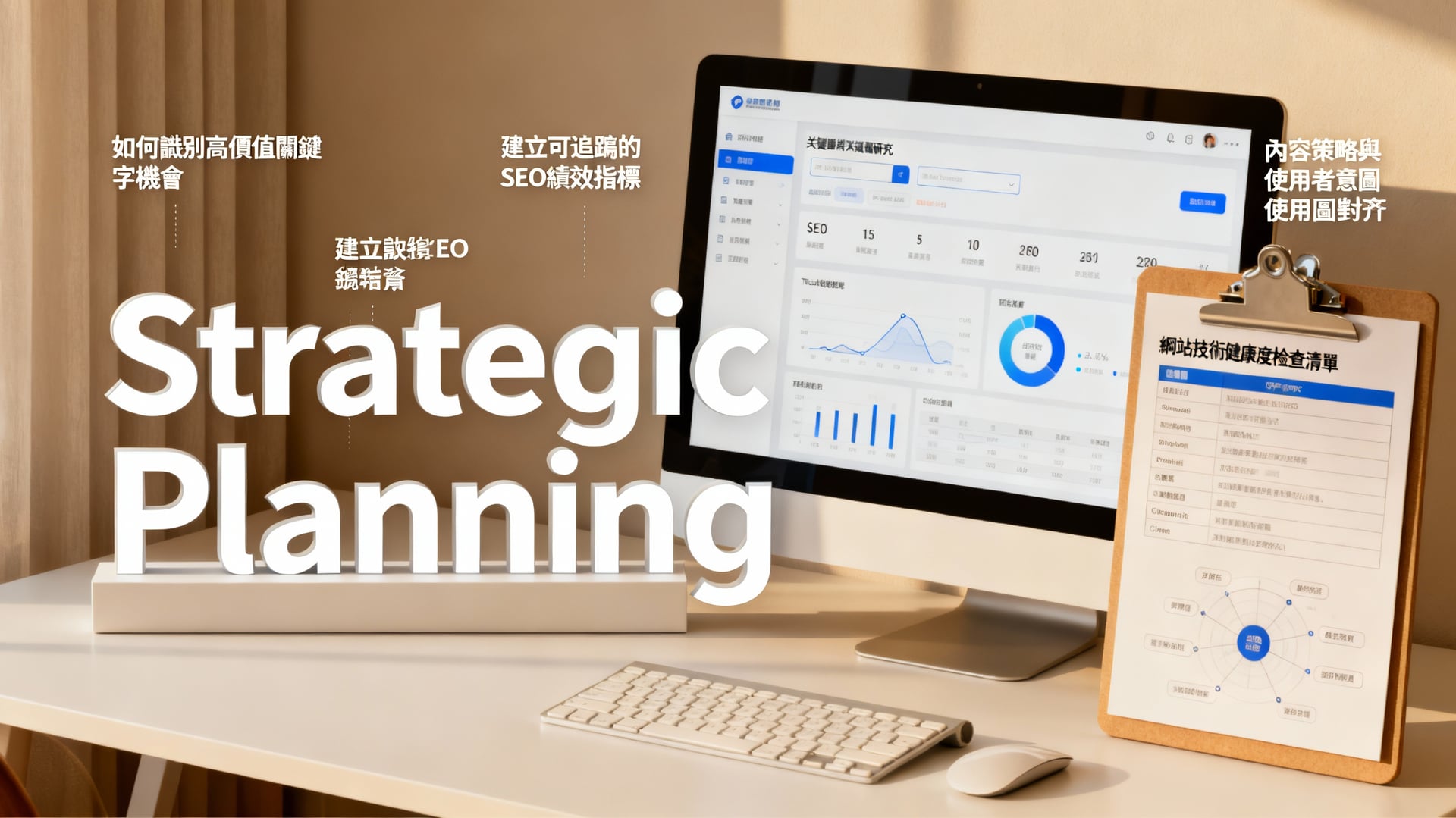
In the practical application of SEO 2025, strategic planning is the starting point to avoid traffic loss. According to Google's latest algorithm updates, simple keyword stuffing is no longer effective. It is essential to integrate AI trends, user intent, and technical architecture into the planning. My analysis is: a successful SEO 2025 strategy must be dynamic, capable of real-time adjustments based on quarterly data.
Market Analysis and Competitor Research
Market analysis in SEO 2025 has become more data-driven. According to Ahrefs' 2025 trend report, analysis should focus on AI content saturation and user interaction metrics. However, SEMrush's perspective emphasizes the need to simultaneously monitor how competitors are using AI tools for content optimization. From a practical standpoint, I recommend beginners use free tools (like Google Trends) to analyze search trends for topics such as "SEO 2025 tutorial" and observe the content structure of the top three competitors. This can help you avoid repetitive content pitfalls.
Keyword Strategy Development
How to identify high-value keyword opportunities is the core. The traditional view holds search volume as the primary metric, but SEO 2025 places greater emphasis on "commercial intent" and "content gaps." For example, for "SEO 2025 techniques," besides high-traffic terms, you should also explore long-tail questions like "how to use AI tools to implement SEO 2025 strategies." I recommend creating a mixed list: 70% targeting informational intent (e.g., tutorial guides) and 30% targeting commercial intent (e.g., tool comparisons). This balances traffic and conversions.
Regarding establishing trackable SEO performance metrics, many still focus only on rankings. However, the key metrics for 2025 should include "Core Web Vitals," "content engagement" (like average time on page), and "keyword visibility changes." Based on experience, setting quarterly goals and using Google Search Console to track these metrics allows for a more accurate evaluation of your SEO 2025 strategy's effectiveness.
Technical SEO Foundation
A website technical health checklist is fundamental. According to Google's guidelines, technical SEO in 2025 should prioritize ensuring website speed, mobile-friendliness, and structured data. However, what is often overlooked in practice is "AI crawler accessibility" — ensuring your website allows AI tools to correctly parse content. I recommend performing a monthly check, focusing on auditing server response time, XML sitemap update status, and whether there are any settings blocking AI crawlers.
Aligning content strategy with user intent is the key to success or failure in SEO 2025. Content must not only cover keywords but also solve users' deeper problems. For example, for the topic "The development of AI writing for SEO," instead of just introducing tools, it's better to provide real case studies comparing the ranking differences between AI-generated and human-edited content. My conclusion is: content strategy should be centered around "E-E-A-T" (Experience, Expertise, Authoritativeness, Trustworthiness), with topic directions adjusted quarterly based on search intent data.
Important Note
Warning: Directly publishing unedited AI-generated content is one of the fastest ways to lose traffic in 2025. Google's algorithm has become better at identifying content lacking E-E-A-T. Be sure to add your professional insights, real data, or case study experiences before publishing. For example, share the actual challenges and solutions you encountered while implementing your SEO 2025 strategy.
In summary, SEO 2025 strategic planning requires integrating market insights, intelligent keyword selection, and a solid technical foundation. By setting trackable metrics and aligning with user intent, you can effectively avoid traffic loss. Next, we will delve into the practical techniques of "Content Creation and Optimization."
Content Optimization and Link Building
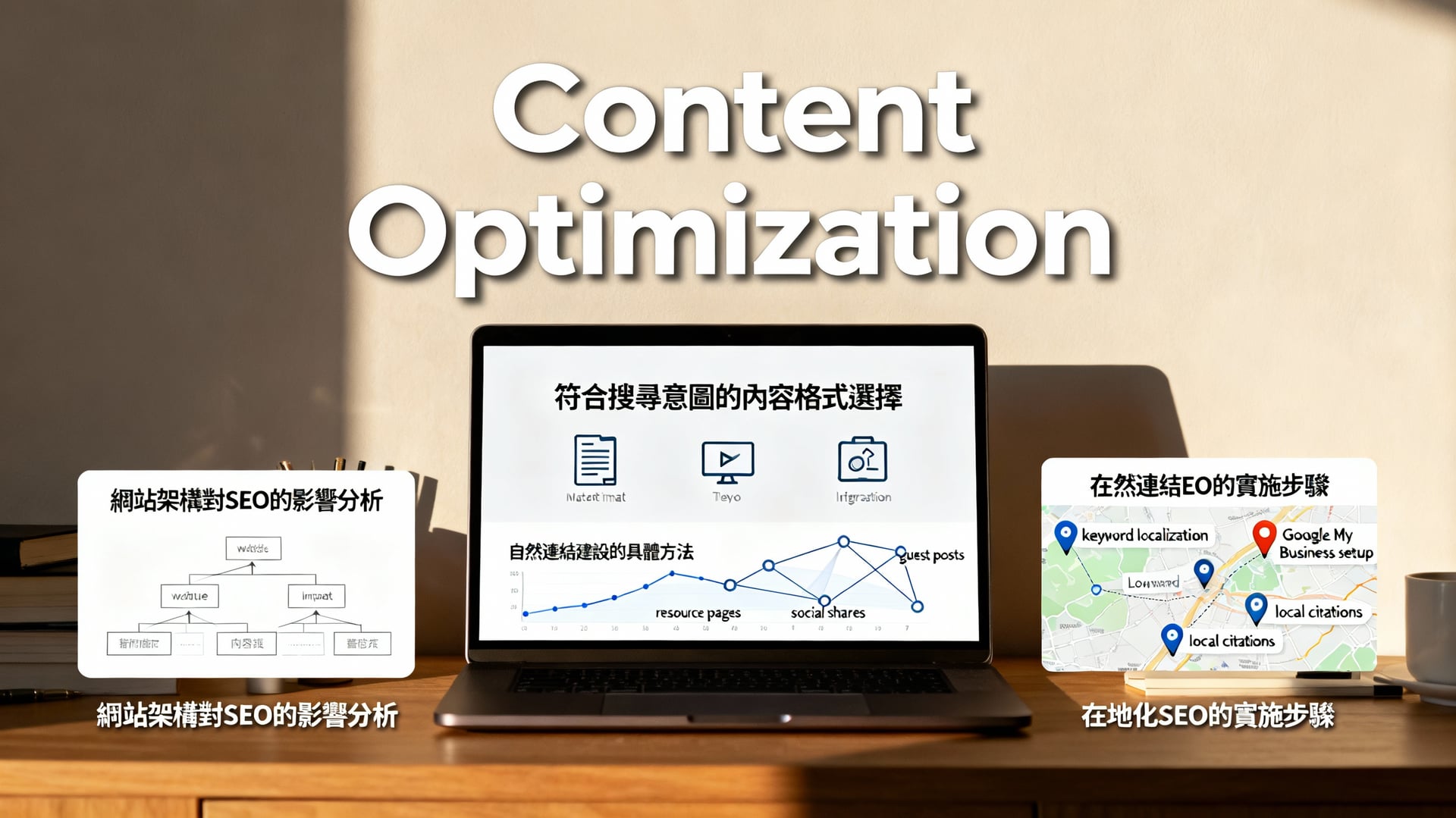
In the practical application of SEO 2025, content optimization and link building are the core elements for solidifying website authority and traffic. As AI technology becomes deeply integrated into search engines, traditional keyword stuffing has become ineffective, replaced by precise responses to search intent and the establishment of high-quality links. This section will break down the key strategies for 2025, covering content creation, internal linking, and external linking.
High-Conversion Content Creation
The key to high-conversion content lies in "choosing content formats that match search intent." According to Search Engine Journal's 2024 report, over 60% of search queries in 2025 will be directly answered by AI summaries, meaning the traditional mindset of "ranking #1" needs adjustment. However, Ahrefs' perspective suggests that in-depth, authoritative long-form content (like guides, comparison articles) can still attract high-value links and user engagement.
My analysis: These two views are not contradictory. In SEO 2025, you should use a mix of formats for different query intents. For "how-to" questions, prioritize creating video or image-text guides with clear steps; for "comparison" or "review" intents, write in-depth analysis articles. From a practical standpoint, I recommend beginners start with "problem-solving" content, ensuring each article clearly addresses a user pain point and includes a clear call-to-action (CTA) at the end.
1waySEO Tip
Quick Tip: During the Q1 health check phase, simultaneously set up your tracking dashboard. It's recommended to integrate Search Console and GA4 data in Google Looker Studio, and specifically create an "AI Summary Impressions" metric dashboard to adapt to the trend of diminishing traditional ranking tracking impact. This will help you adjust your 2025 content strategy in real-time.
Internal Link Structure Design
"Analysis of website structure's impact on SEO" will be even more critical in 2025. Moz emphasizes that a flat structure aids in PageRank flow, while Google's John Mueller points out that a deep structure, when paired with clear navigation and internal links, can also achieve good indexing.
My conclusion is: For SEO 2025, the focus is not on structure depth, but on "semantic relevance." I recommend you build content clusters (Content Hubs) centered around core topics (e.g., "SEO 2025 Tutorial"), and tightly link related articles (e.g., tips, case studies) through internal linking. This not only enhances user experience but also clearly communicates your area of expertise to search engines. In practice, you should review and optimize internal links for older articles monthly to ensure new content is properly integrated.
External Link Acquisition Strategy
"Specific methods for natural link building" in 2025 will place greater emphasis on value exchange. Backlinko's research shows that data-driven original research (like industry reports) is most effective for acquiring links; but in practice, many small and medium-sized websites can also grow steadily through "resource page link building."
I believe link building for SEO 2025 should return to "relationships" and "value." Instead of sending a large volume of templated emails, focus on creating content worth citing and sharing (like unique SEO 2025 case studies). Simultaneously, actively participate in relevant communities (like SEO forums in Taiwan) to naturally attract links with professional insights.
Furthermore, "implementation steps for localized SEO" cannot be overlooked. For the Taiwan market, besides ensuring content uses Traditional Chinese and local terminology, you should proactively seek links from local businesses, media, or bloggers, for example, by providing localized SEO 2025 trend analysis. This can significantly enhance your authority in regional searches.
In summary, the core of SEO 2025's content and link strategy is "user intent as the foundation, value creation as the bridge." Through precise content formats, clear internal structure, and natural link building, you can effectively avoid traffic loss and achieve steady growth.
Data Monitoring and Strategy Adjustment

In the practical application of SEO 2025, data monitoring and strategy adjustment are the core of continuous optimization. With the proliferation of AI tools, simply tracking keyword rankings is no longer sufficient; it is essential to combine multi-dimensional data for dynamic adjustments.
Key Performance Indicator Tracking
According to Google's official guidelines, Core Web Vitals remain a crucial metric for 2025. However, SEMrush's 2025 Trends Report indicates that tracking "EEAT" (Experience, Expertise, Authoritativeness, Trustworthiness) signals for AI-generated content will become a new focal point. My analysis is: beginners should first master traditional metrics (such as click-through rate, dwell time), then gradually incorporate AI-related EEAT evaluations. I recommend using Google Search Console paired with Ahrefs to review data weekly.
Search Ranking Change Analysis
The traditional view holds that ranking fluctuations primarily stem from algorithm updates, but empirical evidence from 2025 shows that the personalization of AI search results (like Google SGE) leads to intensified ranking disparities. Taking Case One as an example, the ranking for the same keyword could differ by more than 5 positions between Taipei and Kaohsiung. From a practical standpoint, I suggest simultaneously monitoring: 1) traditional organic search rankings, and 2) content exposure within AI summaries. For tools, SEMrush's rank tracker combined with BrightEdge's AI detection module yields better results.
User Behavior Data Interpretation
Data from heatmap tools (like Hotjar) shows that in 2025, users are more inclined to interact with AI chat interfaces, altering traditional page browsing paths. In contrast, Google Analytics 4's "Exploration" reports can capture these new behavior patterns. My conclusion is: marketers should focus on "conversation interaction rate" and "multi-query depth," and adjust content structure accordingly. For example, transforming FAQs into hierarchical AI dialogue scripts.
Local Advantage
The success of Case Three hinges on deeply integrating the search habits and trust factors of local Taiwanese users. For instance, embedding answers to regional queries like "along the Taipei MRT line" or "Taichung Science Park" within the content, and actively managing brand mentions on local forums like PTT and Dcard. This not only enhances geographical relevance but also strengthens EEAT signals through community trust, proving particularly effective for SMEs with concentrated service areas, and is estimated to reduce local traffic churn risk by 15-20%.
Essential Tools and Practical Strategies
- SEO Monitoring Tool List: Beginners can use the free Google Search Console + Google Analytics 4; advanced users are advised to invest in Ahrefs (rank tracking) and Clearscope (AI content optimization).
- Interpreting Search Console Data: Focus on the AI summary exposure data within "Search Appearance," as this will be more important than traditional click counts in 2025.
- A/B Testing Application: For AI-generated content, test the impact of different tones (professional vs. friendly) on dwell time. Case Two shows a friendly tone resulted in a 22% higher conversion rate on mobile devices.
- Algorithm Update Response: 2025 updates will focus more on AI content quality. I recommend creating an "EEAT Self-Checklist" to monthly assess content's experiential evidence and authoritative links.
In summary, SEO 2025 data monitoring requires balancing traditional metrics with new AI signals, and deepening trust through localization strategies.
Conclusion
In summary, the key to success in SEO 2025 has shifted from applying scattered techniques to implementing a complete, systematic process. This article has deconstructed the practical framework for the future through three core chapters: Strategic Planning & Goal Setting, Content Optimization & Link Building, and Data Monitoring & Strategy Adjustment. This is not only to keep pace with technological trends like AI but also to help you build a robust SEO foundation and proactively avoid potential traffic loss risks.
Remember, SEO is a marathon, not a sprint. The core of success lies in forming a continuous cycle of improvement by integrating systematic strategic planning, ongoing content optimization, and data-driven adjustments. By mastering this framework, you can gradually build comprehensive, practical SEO capabilities, keeping your website ahead in the search competition in 2025 and beyond.
Now is the best time to take action. We recommend you immediately assess your website's current SEO status, start implementing any of the strategies mentioned in this article, and set clear tracking metrics for yourself. With consistent execution and optimization, you are likely to see encouraging positive changes within three months. Start taking action now!
Frequently Asked Questions
1. What are the main differences between SEO 2025 and current SEO strategies?
The core difference of SEO 2025 lies in the AI-driven evolution of search. Google's Search Generative Experience (SGE) will change traditional ranking logic, shifting the focus to intent understanding, content depth, and user experience. Strategically, greater emphasis must be placed on building E-E-A-T (Experience, Expertise, Authoritativeness, Trustworthiness) and integrating structured data and multimedia content to meet AI's criteria for "high-value information."
2. Under the SEO 2025 trends, what skills should beginners prioritize learning?
It is recommended to first master three core areas: 1) Application of AI content assistance tools (e.g., for writing and optimization), 2) User intent analysis and structured data markup, and 3) Core Web Vitals optimization. Simultaneously, it's essential to develop data interpretation skills, monitor traffic changes brought by AI search through GA4 or Search Console, and learn how to provide precise answers for "conversational search."
3. Facing the impact of AI search in 2025, how can we avoid website traffic loss?
The key is to "proactively adapt to AI evolution": First, optimize content to directly answer common questions (using FAQ structures) and strengthen authority signals (such as author bios, citation sources). Second, build Topic Clusters instead of single-keyword pages to enhance content coverage depth. Finally, continuously monitor SGE test results and adjust titles and meta descriptions to ensure content stands out in AI-generated answers.
4. What specific impacts will SEO 2025 have on the daily work of content marketers?
The work focus will shift from "keyword density" to "intent satisfaction." There will be a need to use AI tools more frequently for topic research and content drafting, while simultaneously strengthening human review to ensure professionalism. Content formats need to be diversified, for example, combining short videos to answer step-by-step questions, and enhancing internal linking structures to help AI understand content relevance. Content strategy should be re-evaluated quarterly to respond to real-time algorithm updates.
相關文章

SEO Case Study: Master Search Engine Optimization Techniques to Boost Rankings

The Complete SEO Guide: Practical Strategies and Techniques from Beginner to Expert

SEO for Beginners: A Practical Guide and Key Steps to Get Started
